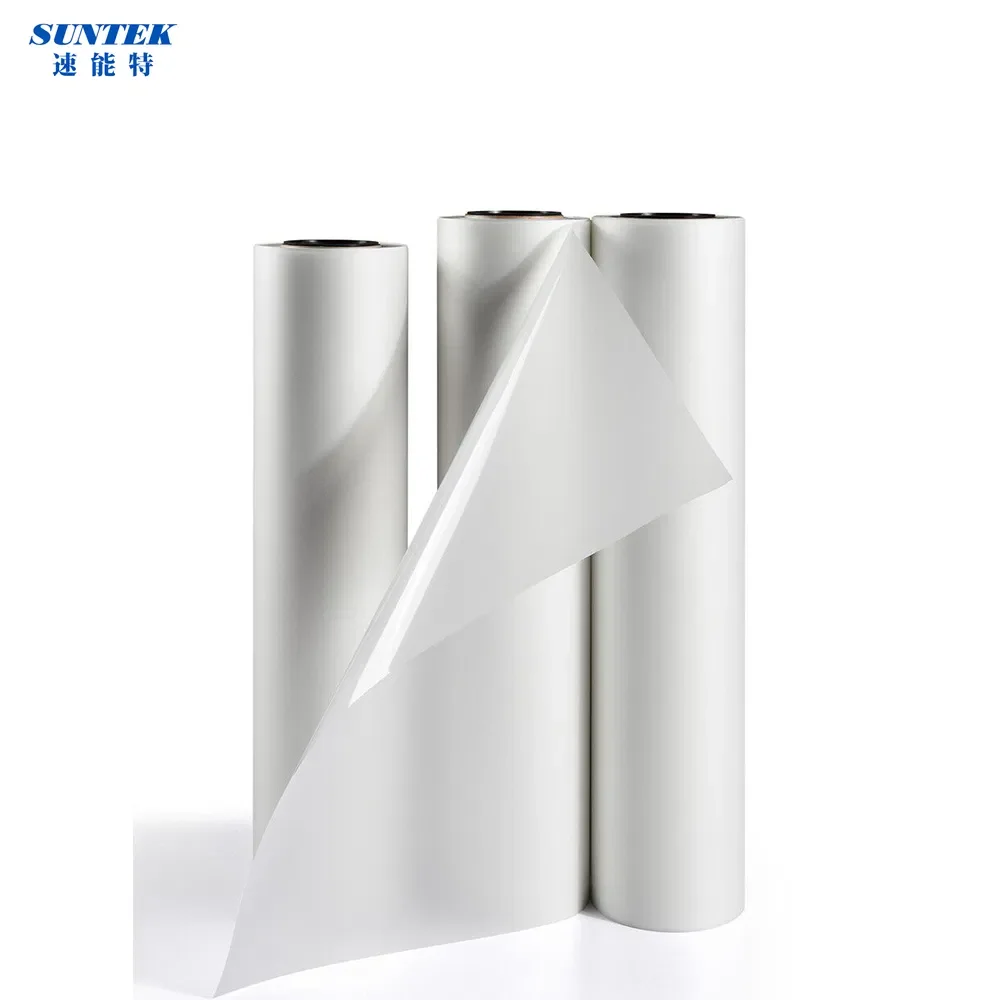
Suntek STC-FDTF60 is a PET DTF transfer film roll. PET identifies the material and roll identifies the format. Before comparing quantities, settle which roll dimensions and handling arrangement the intended equipment needs. That is the practical starting point for this consumable.
A roll still needs dimensions
One roll can be an order quantity, but the comparison needs a width and length beside it. Get those details for STC-FDTF60 as quoted. The characters in the model number shouldn't turn into an assumed measurement, and a familiar roll format won't settle how much film a quoted unit contains.
If different options are being considered, leave each one's dimensions with its own reference. It's easier to compare defined quantities than a roll count whose meaning changes between quotations. The Suntek STC-FDTF60 listing is the starting reference for the enquiry. Have the quoted unit and packing described with the selected film, particularly where the purchase is being compared with another consumable already in use.
PET film in the proposed workflow
Bring the printer reference and the media arrangement into the conversation. The PET material name gives the discussion a direction, though the dimensions and handling requirements still need to concern that actual equipment. A DTF film supplier needs a specific combination to address if compatibility drives the choice.
If ink or other processing materials have already been selected, identify them too. Their relationship with the proposed film belongs in the same discussion. Don't let a shared DTF description or the fact that items appear in one collection stand in for an answer about the combination being considered.
You'll also want the exact film variant kept clear as the conversation develops. When an alternative is proposed, its surface and handling information need to stay attached to it. A preferred property from one option shouldn't quietly become part of the description of another.
The handling directions come with the choice
Get the preparation and transfer directions for the selected film and consumables. If a particular peel method is important to the work, bring that requirement forward while choosing the item. The model reference alone won't select a peel type or operating temperature.
For an evaluation enquiry, explain the artwork and intended textile, along with the equipment planned for use. That gives the discussion something concrete to assess. A request to evaluate the proposed combination is still a purchasing question, without turning into an assurance that the film will suit every textile or provide a particular printed result.
Film and any other supply requirement
If printed transfers are wanted as well, describe that separately. An enquiry about a film roll and an enquiry about finished printed work need their supply scopes stated clearly. The DTF equipment and supplies collection helps with browsing, while the buying brief page helps gather this purchase's dimensions, quantity and destination. Include any required arrival date when discussing current packing and delivery arrangements for the defined roll.
Questions & answers
What identifies STC-FDTF60?
PET DTF film in roll format. Get the dimensions and handling details for the item being quoted before comparing it with another film. The reference on its own won't settle roll length, surface details or the peel method needed for a proposed workflow.
What helps with a DTF PET film supplier enquiry?
The exact printer, media arrangement and other consumables planned for use, with STC-FDTF60 as the film reference. Add the required quantity and destination. Compatibility questions are easier to address when the actual combination is named.
Is a roll count enough for a wholesale comparison?
Put the width, length, quoted unit and packing beside that count. Then a DTF film wholesale comparison has a defined quantity to work with. Discuss any evaluation or timing requirement explicitly rather than leaving it as an assumption about the order.