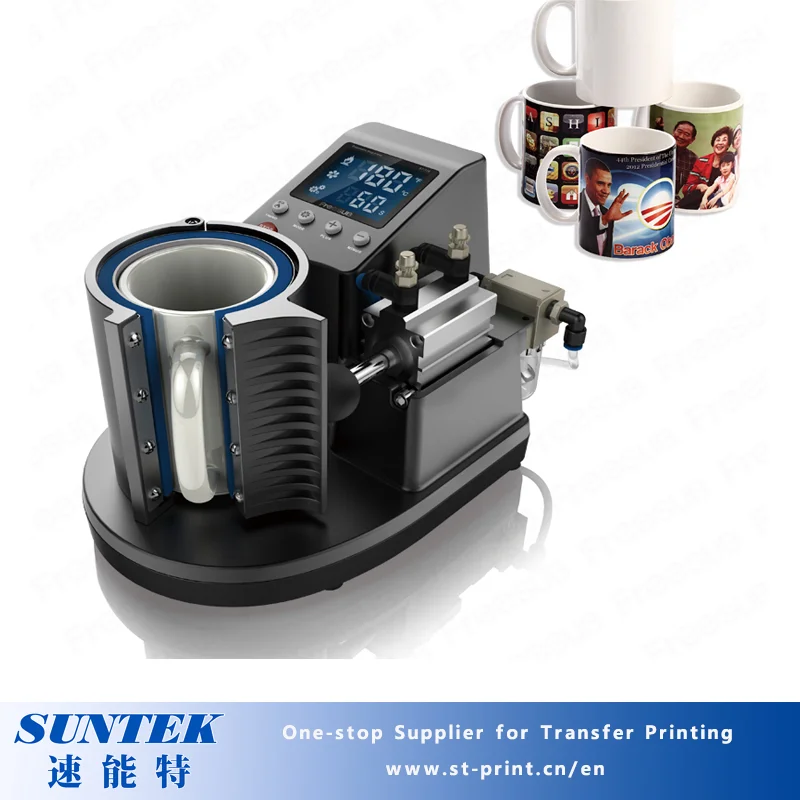
3d2800 is a mini 3D sublimation vacuum heat press with a listed printing area of 180 × 205 mm and plastic-and-metal material construction. A buyer considering a 3D sublimation vacuum heat press should begin with the intended object and decoration area. The model's printing-area figure is a useful reference, but a purchasing decision also needs the object's geometry and the proposed working arrangement to be discussed together.
Separate artwork dimensions from object fit
The 180 × 205 mm printing area is a starting point for an artwork discussion. It doesn't describe every dimension of an object that might be placed in the machine. Send an object drawing with overall measurements and a second indication of where the graphic should appear. A product may have a decoration area that looks small on paper while its overall shape creates a different fit question.
Mark any raised features, with clear dimensions where possible, openings or changes in contour that the production team considers relevant. These are details to supply for an assessment, rather than capabilities to assume from the ‘3D’ name. Don't treat the printing-area rectangle as a guarantee that a particular object and its working arrangement will fit. Keep the object identity attached to every dimensional answer.
Define the proposed working arrangement
Ask what tooling, fixtures or other items would be required for the specific job, and request a clear description of the proposed supply. Images can help start a discussion, but they don't establish that every pictured object or accessory is included with a machine. Purchasing teams should be able to identify the machine and any separately discussed items in the eventual quotation.
It's also useful to ask how the proposed object would be positioned and handled through the process. The purpose is to understand the job before choosing equipment. The Suntek 3d2800 product listing provides a model reference for the conversation, so a response about a different machine doesn't get folded into the 3d2800 purchase description.
Describe the job before asking about output
An output target means little without a defined item and artwork. State the intended object, the required decoration, the planned work pattern and which parts of the operation the buyer needs to understand. Don't infer batch capacity, finished-item throughput or a transfer recipe from the mini 3D vacuum designation. Those are separate questions that need answers for the actual project.
Where an existing workflow is being changed, describe the current equipment and materials as background. That history can explain the buyer's priorities without implying that 3d2800 accepts every item previously used elsewhere. You'll want the operator involved before the equipment description is final, particularly where a proposed fixture or handling step is central to the job.
Compare equipment with a consistent project brief
The Heat press machines page is a navigation point for reviewing the available machine descriptions. Mug & Tumbler Heat Press provides another equipment comparison path. Keep the same project requirements attached to each enquiry while recording each machine's own specifications separately; a common product category doesn't establish shared applications or interchangeable tooling.
The 3d2800 brief should bring together the exact model, object drawing, graphic dimensions, proposed materials and questions about the working arrangement. Include the intended installation requirements as questions, too. buying brief can help organise that information. A concise project description makes a quotation more useful because the team can see which parts of its intended operation have been addressed and which still need discussion before ordering.
Questions & answers
What is the printing area for 3d2800?
The listed printing area is 180 × 205 mm. Retain that figure as a printing-area reference and ask separately about the complete object and any proposed fixture.
Does mini 3D vacuum mean any shaped object can be processed?
It doesn't establish universal object suitability. Provide the object's geometry, material description and intended graphic area for a specific project discussion.
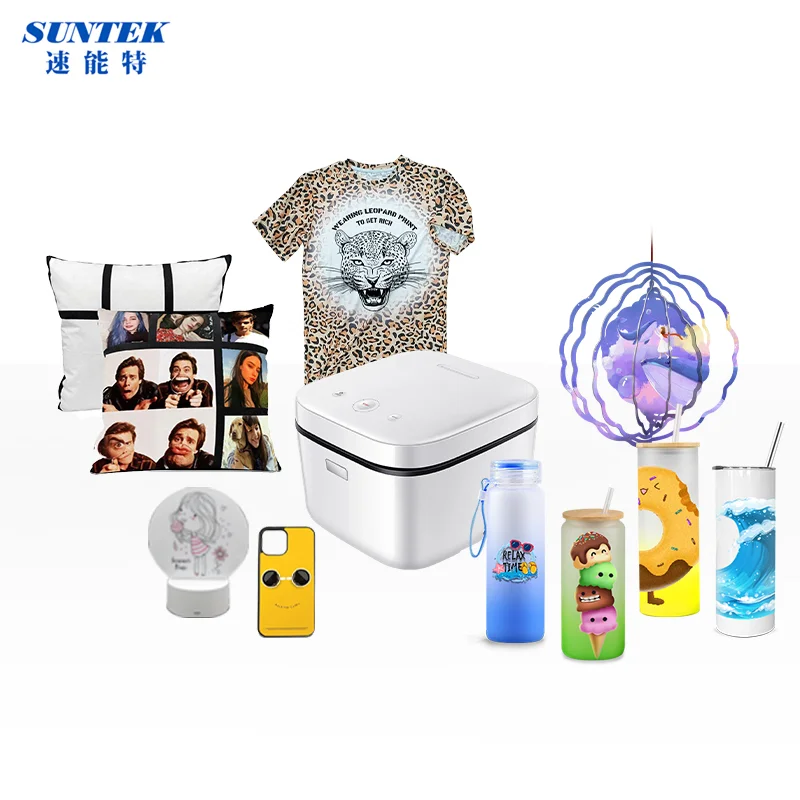
Are all pictured items part of the machine supply?
Don't assume the supply contents from a picture. Ask for an itemised machine description and identify any tooling, accessories or objects discussed separately for the proposed job.