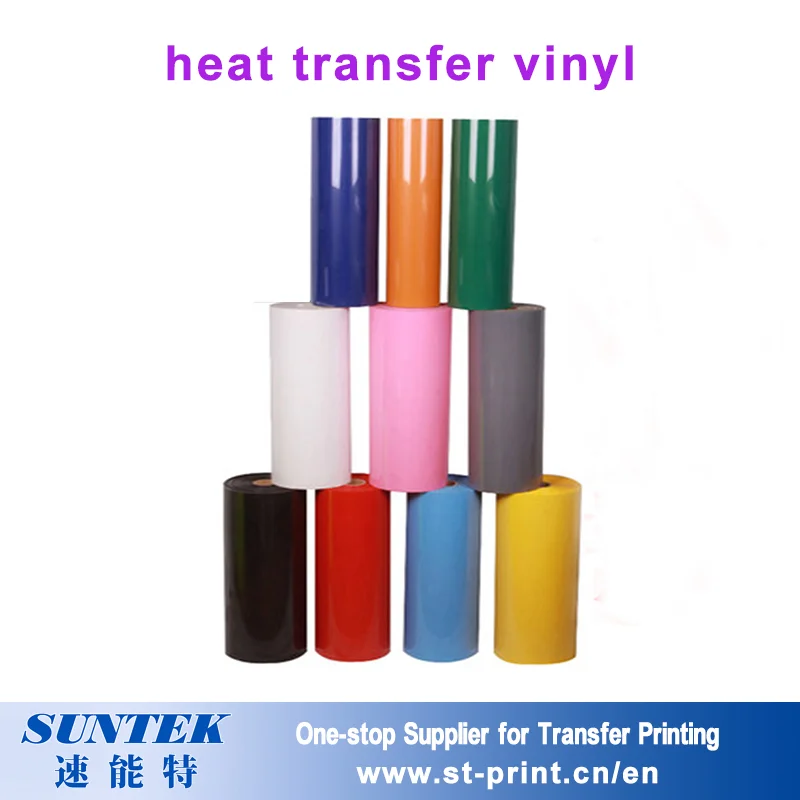
Suntek st101 is a heat-transfer vinyl series entry with separate variants. For a heat transfer vinyl wholesale enquiry, choosing the variant comes before comparing its dimensions or material details. The useful starting point is the textile and design you want to work with.
Which item in the series?
A series reference gets the conversation started. The exact variant is what the quotation needs to identify. If the decision depends on a finish, material or particular supply format, put those preferences together so they can be discussed as one proposed purchase.
Several options may come back into the conversation. Leave each one's properties beside its own reference. It's easy to end up describing an imagined item when the preferred finish comes from one option and the dimensions from another. The Suntek st101 series listing is the starting reference, while the selected variant needs its own clear description.
Bring the garment and the artwork
Say the intended design is lettering on a garment already selected. The useful information is the actual lettering, the garment's composition if known and any placement requirement. For a graphic, bring the proposed outline or file. These are ways of explaining the application to a heat transfer vinyl supplier, without assuming a variant suits every textile or design.
The discussion should also cover the equipment and preparation method planned for use. Heat transfer names the process, but the selected item needs its own directions. If an existing printer or other equipment is part of the plan, identify it. Compatibility needs to be addressed for that combination rather than inferred from the series description.
Don't choose a transfer recipe while the variant is still undecided. The operating directions belong with the actual material and intended textile, and a setting carried over from another consumable leaves that part of the decision open.
What would you need to evaluate?
A sample or evaluation enquiry is more useful with a purpose attached. Explain what you want to assess and which artwork and textile would be involved. Then discuss the available arrangements. That keeps the request about the proposed application instead of treating a sample as evidence of a result that hasn't been assessed.
You'll want the same variant reference on the evaluation discussion and the quotation. If an option changes during the conversation, its dimensions, handling directions and material questions need to change with it. A short item reference beside the artwork helps avoid carrying an answer from the earlier choice into the later one.
Putting a quantity against the selection
A required quantity can be stated with the preferred supply format and destination. Get the quoted unit and packing described alongside the chosen variant, so the quantity comparison has a clear basis. Any required arrival date belongs in that discussion too. The transfer consumables collection helps with browsing; the buying brief page helps gather the details for this particular vinyl enquiry.
Questions & answers
Is st101 a fixed material specification?
It is a heat-transfer vinyl series entry with separate variants. Settle the exact selection before relying on material, dimensions or application properties. The series reference can organise a discussion, but the item being quoted needs to be identifiable in its own right.
What helps when choosing a variant?
Bring the intended textile, artwork, equipment and any important finish or format requirement. Add quantity and destination when discussing supply. That gives the conversation an actual application to address, rather than an unspecified request for vinyl.
When should transfer settings be discussed?
With the selected variant and the intended textile identified. Get the operating and preparation directions for that combination. A recipe from another roll or transfer consumable shouldn't become the instructions for the proposed item simply because the process name sounds familiar.